In Stock vs Made to Order Retatrutide: Lead Time & COA
In stock retatrutide ships from an existing lot with a COA you can read before paying; made to order means a synthesis run and a quoted lead time.
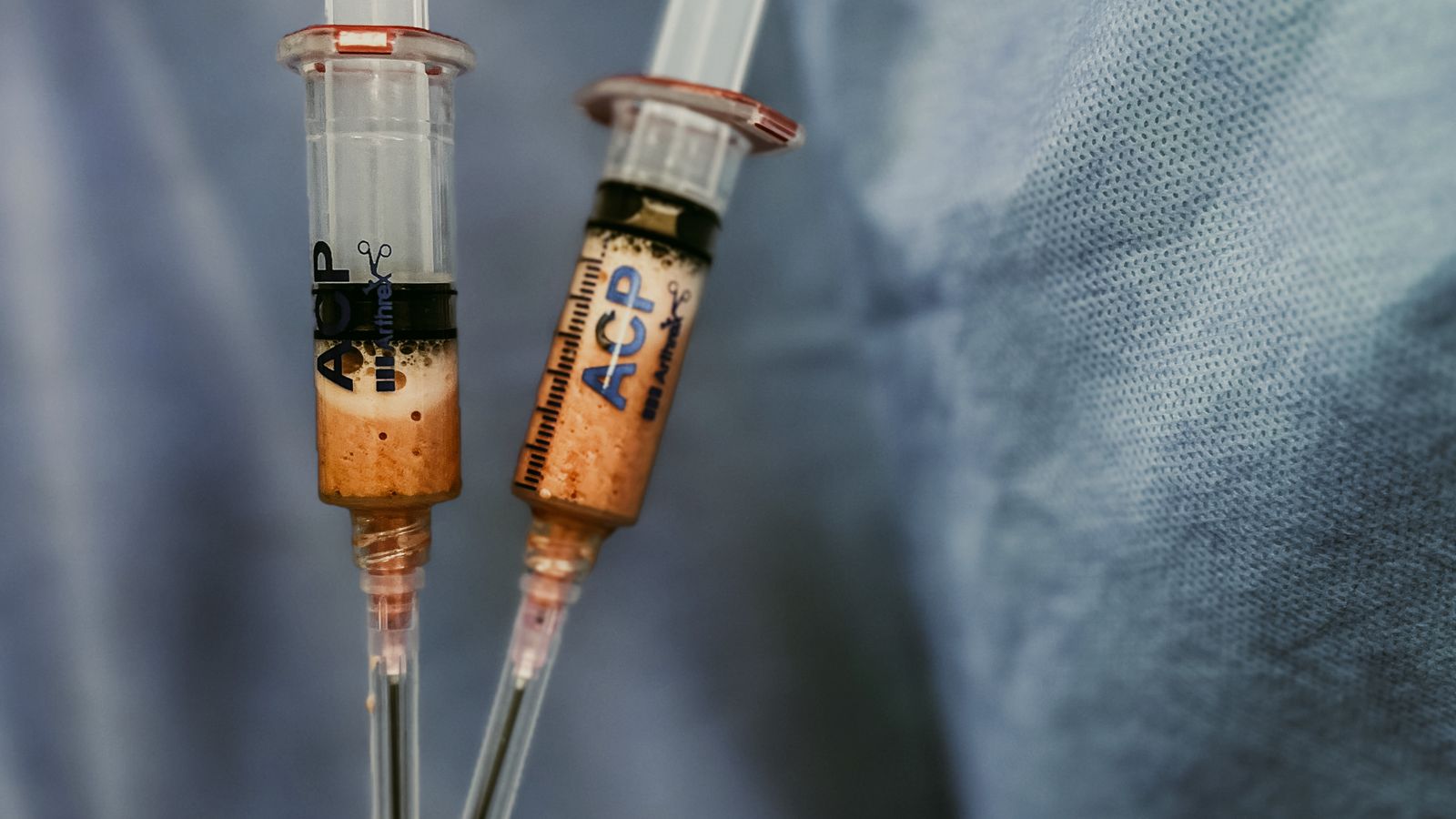
An “in stock” retatrutide listing draws on a lot that already exists: the vials are filled, the batch has been released, and the certificate of analysis can be read before you pay. A “made to order” listing sells a place in a synthesis run instead. The material is produced after the order clears, the COA is issued afterward, and the page quotes a lead time rather than a dispatch window. For research buyers the difference that matters is which document exists at the moment money moves, and who absorbs the loss if the finished lot misses spec.
Which Fields Change Between the Two Listing Types?
Documentation timing drives everything else. An in-stock page describes material; a made-to-order page describes a commitment to produce material. Read the second column below for the word “not yet,” because that marks what you are accepting on trust at checkout.
| Field | In stock | Made to order |
|---|---|---|
| Lot number at checkout | Assigned, can be quoted on the invoice | Not yet assigned |
| Certificate of analysis | Issued, readable before payment | Issued after the run is released |
| Price presentation | Per vial, published on the page | Per run, quoted privately |
| Order minimum | One vial | A minimum quantity set by the synthesis scale |
| Vial format | Fixed by whatever was filled | Specified by the buyer (mass per vial, fill volume) |
| Batch age at delivery | Already counting from the fill date | Starts at delivery |
| If the lot misses release spec | The vendor never lists it | Governed by whatever the quote says |
Table 1. What changes between an in-stock and a made-to-order retatrutide listing. Rows describe listing and quoting conventions; the per-milligram figures in the next section come from published catalog vial sizes (HEEZ catalog, prices as of September 2026).
The batch-age row is the one buyers skip. In-stock material has been sitting since its fill date, so the useful question is what the vendor says about storage over that interval rather than what the expiry label claims. Vendors that publish stability data instead of an expiry date are answering that question directly; vendors that print a flat two-year date are not.
What Does Each Model Cost Per Milligram?
Published catalog pricing is the baseline any made-to-order quote has to beat. Two retatrutide vial sizes carry list prices: a 10 mg vial at $100 and a 20 mg vial at $195 (prices as of September 2026 from the HEEZ catalog). Normalizing both to cost per milligram is straight division, price ÷ vial mass:
- 10 mg vial: $100 ÷ 10 mg = $10.00 per mg
- 20 mg vial: $195 ÷ 20 mg = $9.75 per mg
Checking the arithmetic in reverse: $10.00 × 10 = $100, and $9.75 × 20 = $195. Reaching 20 mg through two 10 mg vials costs 2 × $100 = $200 against $195 for the single larger vial, a $5.00 spread, which is the $0.25 per mg difference multiplied across 20 mg.
A made-to-order quote does not arrive in that format. It arrives as a total for the run, often with vialing and shipping bundled or excluded without saying which, so the comparison requires you to do the division yourself: quoted total ÷ total milligrams in the run, then set the result against $9.75 per mg. A quote that cannot be reduced to a per-milligram number, because the vial count or the mass per vial is still undecided, is not yet a price. The same normalization discipline applies whenever you are lining up two listings field by field.
Why Do Both Models Exist for a Compound Still in Trials?
Retatrutide has no approved commercial manufacturer, so there is no continuous production line for anyone to draw from. Eli Lilly’s TRIUMPH program is still running: four Phase 3 multicenter, randomized, double-blind studies of once-weekly subcutaneous retatrutide against placebo in over 5800 participants, with percent change in body weight as the weight-management primary endpoint, per the TRIUMPH trial design paper. Research-grade material is therefore made in discrete campaigns by contract synthesis houses, and every vial on every listing traces back to one of those campaigns. All of it is research-use-only material.
Campaign-based supply produces the two listing types mechanically. A vendor that bought into a completed campaign has finished vials to sell now and lists them as in stock. A vendor that has a relationship with a synthesis house but no inventory sells the next slot in the queue, which is what made to order means in practice.
Interest in the compound moves in steps rather than smoothly, which is what empties a catalog page. The phase 2 obesity trial enrolled 338 adults and reported a least-squares mean body weight change at 24 weeks of -17.5% in the 12 mg group against -1.6% in the placebo group, with 48-week change as a secondary endpoint, in the 2023 NEJM phase 2 report. Publication events like that one move the research-supply queue, and a vendor holding inventory carries the capital cost of guessing when the next one lands. Made to order transfers that timing risk from the vendor to you.
Which COA Do You Actually Get?
An in-stock COA is already dated and already tied to a lot number, which means you can check it against the vial label at delivery: batch on the paper matches batch on the glass, or the paperwork belongs to a different lot. That check is the entire value of buying from existing inventory, and skipping it discards the one advantage the model has.
A made-to-order COA does not exist when you pay, so the release criteria have to be agreed in advance and written into the quote. Specify the purity method and the threshold as a figure rather than a word, because “high purity” is not a release specification and purity and potency are separate claims that a loosely worded quote lets a supplier blur. Specify the identity test too, and what the acceptable mass tolerance is.
The failure case deserves a sentence of its own in the quote. If the released lot comes in under the agreed threshold, the quote should say whether that triggers a refund, a re-run at the supplier’s cost, or shipment with a price adjustment, because a quote silent on that point defaults to shipment.
What Should You Pin Down Before Accepting a Lead Time?
- When the clock starts: payment clearance, or synthesis start, which can be weeks apart if the house is batching orders.
- Whether the COA will carry a lot number that matches the vial label, and whether you get it before dispatch or with the parcel.
- The purity method and the numeric release threshold, written on the quote.
- The identity method and its mass tolerance.
- What happens if the lot misses either threshold.
- Whether the price is per vial or per run, and whether vialing, fill volume, and shipping sit inside or outside that number.
- Whether partial shipment is possible if the run yields less than ordered, and at what price.
- Which shipping method the finished lot travels on, since a run released in July and a run released in January are not shipped under the same conditions.
Get those answers into the order form or the email thread rather than a chat widget. An in-stock purchase leaves its own record in the COA and the lot number on the vial; a made-to-order run leaves no record at all except the one you write down before the synthesis starts.